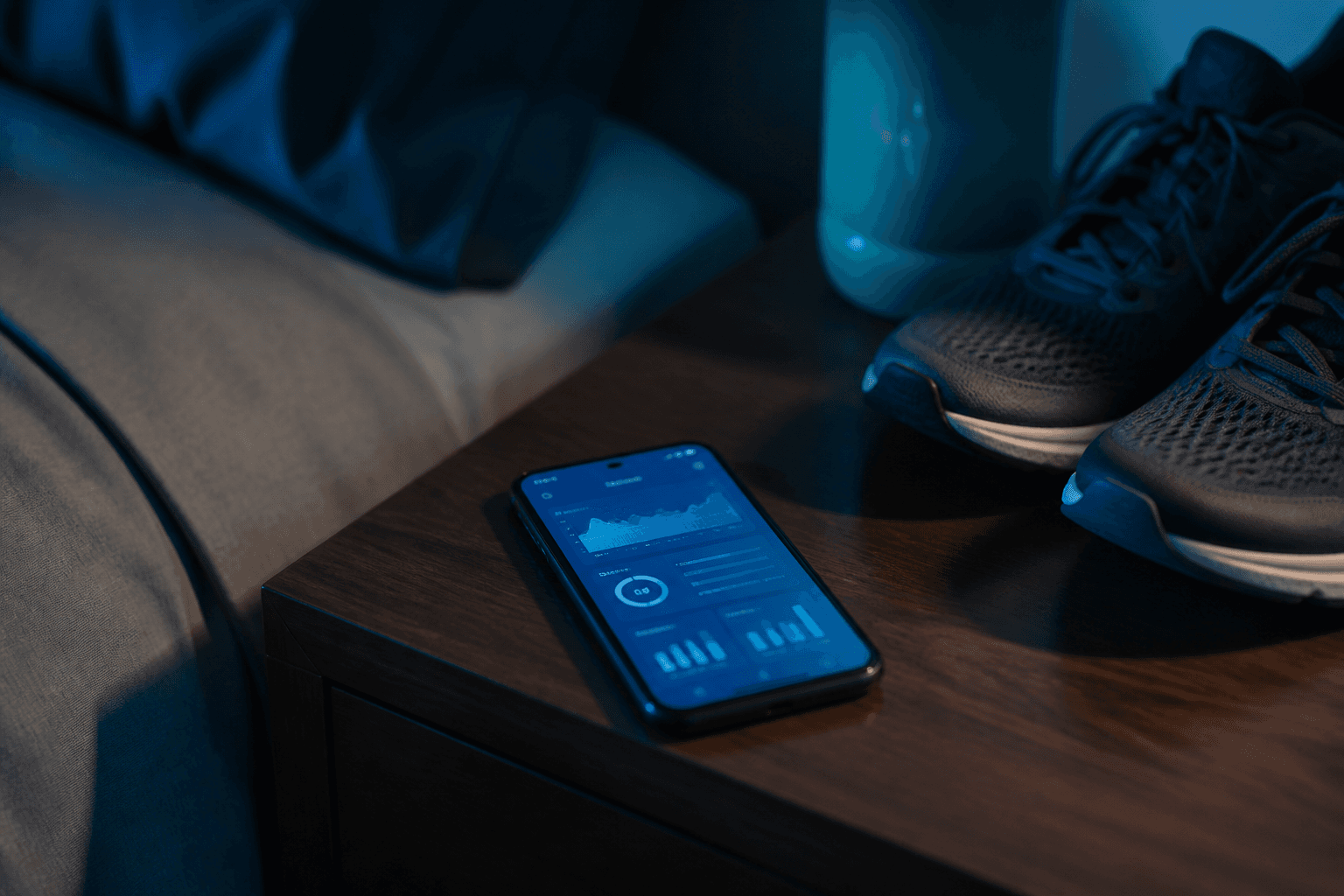
Running with Precision is a community movement option, not a promise that running alone will produce weight loss. For some patients, a weekly group makes walking or running more consistent, builds confidence, and reconnects health goals to something enjoyable. Medical evaluation, nutrition, sleep, and appropriate treatment still matter.
Walking belongs in a run club
The word “running” should not exclude beginners. Walking develops time on your feet, routine, and tissue tolerance. New participants can use walk breaks, shorten the route, and progress gradually. Pace is not a measure of character, and the person finishing last has completed the same act of showing up.
Community changes consistency
Information is rarely the only missing ingredient. People often know movement is beneficial but struggle to start alone. A scheduled gathering reduces decision fatigue and creates social accountability. That support is valuable even when body weight changes slowly because fitness, mood, and confidence can improve independently.
How it supports clinical care
A patient’s experience during activity can inform the medical plan: joint pain, unusual breathlessness, dizziness, poor recovery, or difficulty fueling may deserve discussion. The club does not diagnose or monitor participants during a workout. Clinical questions belong in a visit, and urgent symptoms require urgent care.
Medication does not replace movement
Eligible patients using GLP-1 treatment still need adequate nutrition and progressive activity. Appetite reduction without resistance work and sufficient intake can undermine strength. Conversely, exercise cannot make an inappropriate medication safe. Each part of care has a distinct job.
Start at the right level
Begin with walking if you are inactive. Increase one variable at a time—duration before speed is often sensible—and protect recovery. People with chest pressure, fainting, uncontrolled disease, significant shortness of breath, or major joint symptoms should seek medical guidance before advancing.
How I turn information into a treatment decision
I begin by separating three questions that are often blended together. First, is there a symptom or risk that needs prompt medical attention? Second, what information would genuinely change the plan? Third, what can the patient reasonably carry out between now and follow-up? This prevents us from ordering tests simply because they are available or adding treatment because it sounds impressive.
The baseline is broader than a scale reading or one laboratory value. I want to understand medicines and supplements, allergies, prior diagnoses, family history, sleep, work demands, food access, activity, pain, alcohol and tobacco exposure, stress, and what happened with previous plans. For medication-related care, reproductive goals and relevant contraindications must be explicit. Patients should bring records they already have; repeating a recent, reliable test without a reason adds cost but not necessarily clarity.
What meaningful progress looks like
Progress should match the purpose of care. Depending on the problem, we may follow symptoms, home measurements, laboratory trends, strength, walking tolerance, sleep quality, medication adherence, meal consistency, or the ability to perform ordinary activities. Body weight can be useful, but day-to-day changes include fluid, food, and normal variation. A single reading should not control the emotional tone of the week.
I also ask what the plan costs in time, money, attention, and side effects. A technically effective intervention is not sustainable if the patient cannot afford it, cannot tolerate it, or must reorganize life around it. Shared decision-making does not mean that every requested option is medically appropriate. It means the clinician explains reasonable choices, uncertainties, benefits, burdens, and why a requested option may be unsafe or unhelpful.
Prepare for follow-up before you leave
Every plan should answer: What do I do next? What should I track? When do we review it? Which symptoms should prompt an earlier call? What counts as an emergency? Patients should know whether a message channel is for routine questions or same-day needs. A portal is not an emergency service, and a scheduled visit should not delay urgent evaluation.
For routine follow-up, bring a brief, honest account rather than a perfect diary. Note missed doses, side effects, appetite or sleep changes, barriers, and questions. If you use a home device, record how and when measurements were taken. Do not hide a problem because you worry it will disappoint the clinician. Unexpected information is often the information that makes care safer.
Why maintenance belongs in the first conversation
Many health plans are built around starting and almost silent about sustaining. I prefer to discuss maintenance early. What would make the new routine survive travel, illness, a demanding season at work, or a plateau? Which parts require ongoing clinical monitoring? If a medicine later changes, what nutrition, movement, sleep, and follow-up structure remains?
Maintenance is not a lesser phase. It is where a useful intervention becomes part of a durable life. We should expect plans to need adjustment as health, goals, access, and circumstances change. The standard is not perfection. The standard is a plan that remains medically sound, understandable, and recoverable after an imperfect week.
A physician’s bottom line
Good care is specific enough to act on and humble enough to change when new information appears. I want patients to understand what we know, what remains uncertain, what the next step costs, and which symptoms should change the plan. Marketing language should never outrun clinical evidence.
Precision Health has one physical office at 2751 Buford Hwy, Suite 290, Atlanta, GA 30324. Telehealth is available to Georgia residents when clinically appropriate. Membership and medication are available only after a physician determines eligibility; not everyone qualifies. If medication is discussed, the physician determines what is clinically appropriate and works with reputable pharmacies after evaluation.
Frequently asked questions
Do I have to be a Precision patient?
See the current Run Club page for participation details and event information.
Are walkers welcome?
Yes. Walking is a legitimate starting point and long-term form of activity.
Will running guarantee weight loss?
No. Weight response varies, and movement has important benefits beyond the scale.
Can I participate while using a GLP-1?
Many eligible patients can exercise, but symptoms, hydration, intake, and medical guidance matter.
What should I bring?
Comfortable shoes, weather-appropriate clothing, water as needed, and a willingness to choose your own pace.
This article is general education, not personal medical advice, a diagnosis, or a promise of results. Treatment decisions happen after clinician evaluation.
Join Running with Precision or Book a medical evaluation.
References

Dr. Kelvin Brown, MD, MPH
Ready to Take the Next Step?
Book your free initial consultation and experience the difference that real physician care makes.